
Overview
Discover Vibrant Acrylic Painting Through Colours
Our Acrylic Painting Classes introduce students to the versatility of acrylic paints through practical artwork, colour exploration, brush techniques, layering, and texture building. Each session encourages students to understand how acrylic paint behaves while developing their own artistic style and confidence.
What You Can Learn
Working With Acrylics – Get familiar with acrylic paints, brushes, palettes, canvas surfaces, and the basic methods used to create clean and expressive paintings.
Colour Mixing & Layering – Experiment with colour combinations, create new shades, build rich layers, and understand how different tones work together within a painting.
Brushwork & Texture – Explore varied brush movements, paint application, blending, and texture techniques to give artwork more depth, movement, and visual interest.
Creating Finished Artwork – Develop an idea from the initial composition to the final details, learning how to balance colours, forms, highlights, and finishing touches in a complete acrylic painting.
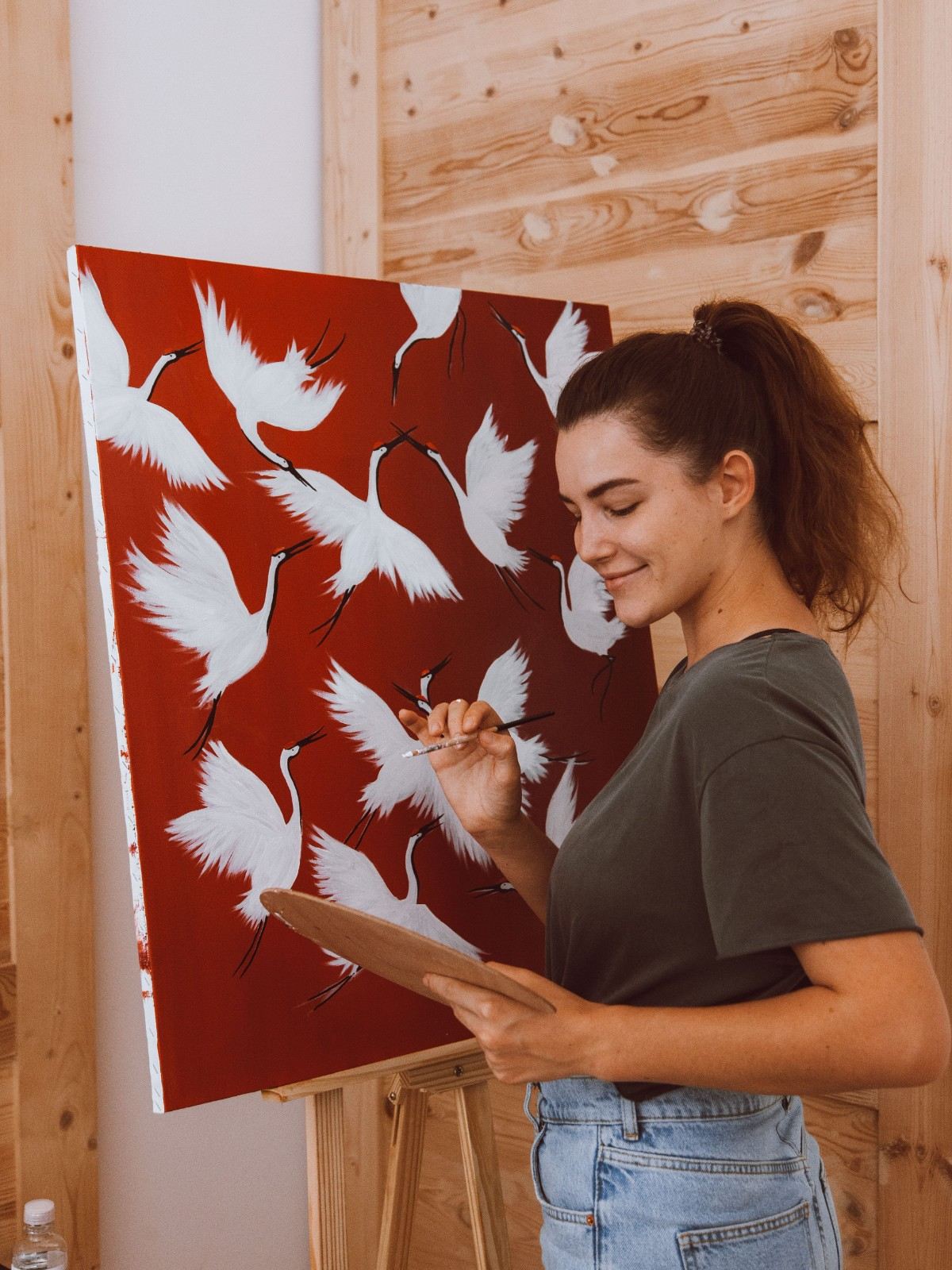
What You Will Learn
Build Your Acrylic Painting Skills
Through Practical Techniques

Acrylic Basics
Understand the characteristics of acrylic paint and learn how to work comfortably with brushes, palettes, canvas surfaces, and different paint consistencies.
-
Paint & Brush Selection
-
Canvas Preparation
-
Paint Consistency

Colour Mixing
Learn to create a wider range of colours by combining primary shades, adjusting their intensity, and developing harmonious palettes for different artwork.
-
Colour Combinations
-
Warm & Cool Tones
-
Colour Palette Planning

Layering & Blending
Explore ways to build paintings gradually by applying multiple layers, soft transitions, and controlled colour changes for a more polished result.
-
Base Colour Application
-
Smooth Colour Transitions
-
Building Paint Layers

Texture & Finishing
Add character to acrylic artwork by experimenting with visible brush marks, textured surfaces, highlights, accents, and final finishing details.
-
Brush Mark Techniques
-
Texture Effects
-
Highlights & Final Touches
Acrylic Art
Turn Creative Ideas Into Expressive Acrylic Artwork
Acrylic painting offers a flexible and exciting way to bring colours, subjects, and personal ideas onto canvas. Our classes give learners opportunities to work through complete painting projects while understanding composition, brush movement, paint placement, and the finishing process behind a well-developed artwork.
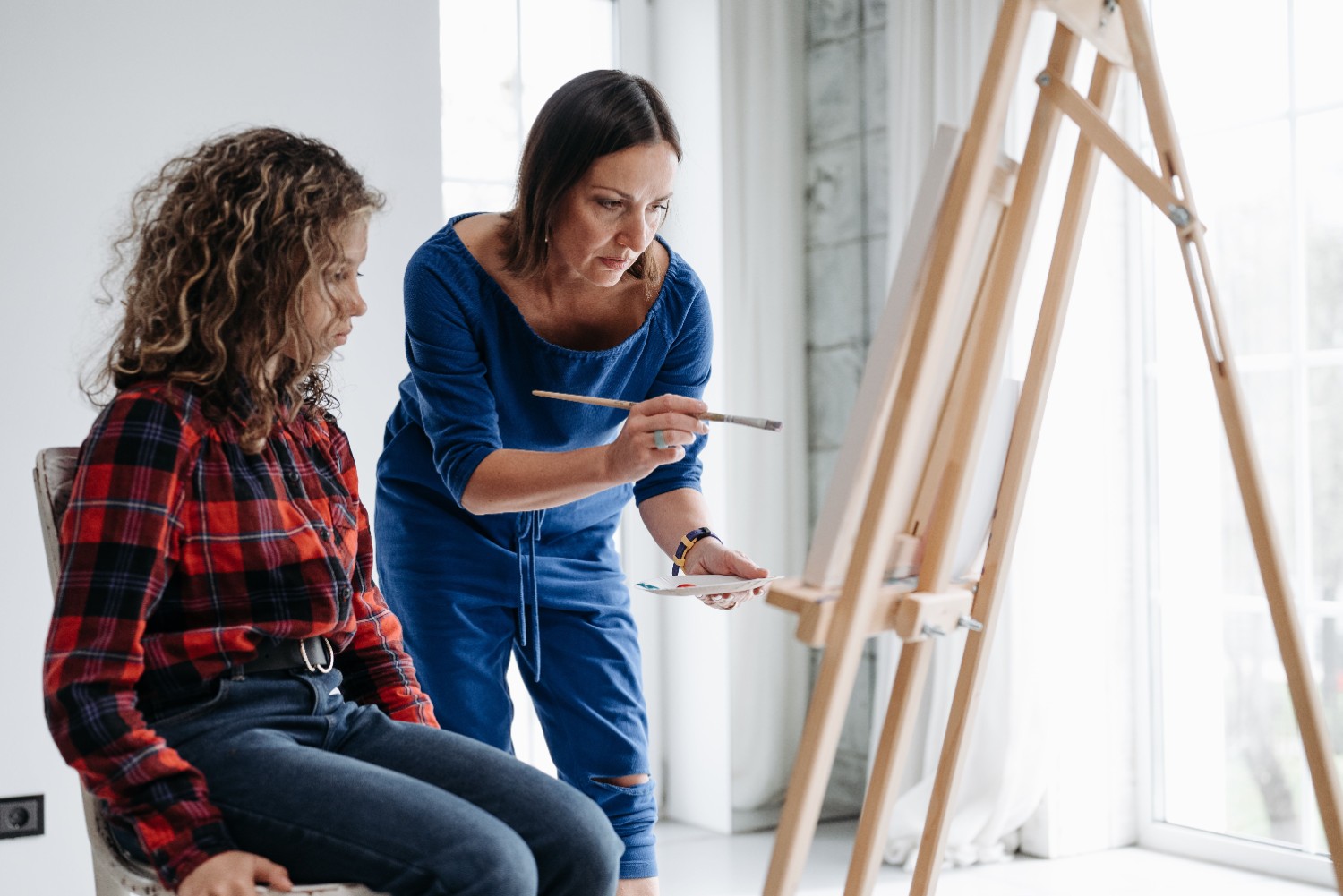

Brush Handling & Paint Application
Discover how different brush shapes and movements can create varied marks, edges, and effects while learning to apply paint with greater control.

Composition & Visual Balance
Learn how to arrange subjects, shapes, colours, and focal areas on the canvas so that each painting has a clear and visually engaging structure.

Project Development & Finishing
Work through a painting from its first planned elements to the final accents, learning when to refine areas, strengthen details, and complete the overall composition.
Acrylic Painting Class Plans
Choose The Acrylic Painting Plan
That Matches Your Learning
Acrylic Starter
₹1,999
/ Course
A foundation-level acrylic painting course for learners who want to understand materials, basic brushwork, colour mixing, and simple canvas painting.
- Mode: Online / Offline
- Class: 2 Classes Per Week
- Hours: 1 Hour Per Class
- Duration: 4 Weeks
- Projects: 2 Guided Paintings
- Certificate: Included
- Acrylic Materials Introduction
- Basic Brush Handling
- Canvas Preparation
- Primary Colour Mixing
- Basic Paint Application
- 2 Guided Canvas Projects
Acrylic Creative
₹3,499
/ Course
A progressive acrylic painting course for learners ready to develop stronger colour control, layered artwork, composition, and expressive painting skills.
- Mode: Online / Offline
- Class: 2 Classes Per Week
- Hours: 1.5 Hours Per Class
- Duration: 8 Weeks
- Projects: 4 Guided Paintings
- Certificate: Included
- Intermediate Brush Techniques
- Advanced Colour Mixing
- Layering & Blending
- Composition & Visual Balance
- Texture & Brush Effects
- 4 Guided Canvas Projects
Acrylic Mastery
₹5,499
/ Course
An advanced acrylic painting program for developing detailed artwork, complex compositions, refined techniques, and greater creative independence.
- Mode: Online / Offline
- Class: 3 Classes Per Week
- Hours: 2 Hours Per Class
- Duration: 12 Weeks
- Projects: 6 Independent Paintings
- Certificate: Included
- Advanced Acrylic Techniques
- Detailed Colour & Form
- Multi-Layer Painting Methods
- Subject & Scene Development
- Advanced Texture & Detail Work
- 6 Independent Canvas Projects
Acrylic Painting FAQs
Common Questions About
Acrylic Painting Classes
How Quickly Does Acrylic Paint Dry?
Acrylic paint dries relatively quickly compared with many other painting mediums. During the classes, learners can understand how drying time affects their painting process and how to work comfortably before the paint sets.
Can Mistakes Be Corrected In Acrylic Painting?
Yes. One useful feature of acrylic paint is that new paint can be applied after an earlier layer has dried. Learners can practise covering unwanted marks, adjusting sections, and making changes without restarting the entire artwork.
Which Surfaces Can Be Used For Acrylic Painting?
Acrylic paint can be used on several prepared surfaces such as canvas, canvas boards, acrylic paper, and selected painting panels. The suitable surface may vary according to the artwork and the approach being practised in class.
What Are Acrylic Mediums Used For?
Acrylic mediums can change the appearance and working qualities of the paint. Depending on the course level, learners may explore products such as gloss, matte, gel, or other mediums to create different finishes and painting effects.
How Should An Acrylic Painting Be Cared For?
Finished acrylic artwork should be kept away from excessive moisture, dust, direct harsh sunlight, and rough handling. Learners can also receive guidance on allowing the painting to dry properly and preparing finished work for safe display.