Overview
Learn To Create Expressive Portrait Artwork
Portrait Art Classes at Little Creative Painting help students understand the structure and character of the human face through focused drawing and artistic practice. Learners study facial proportions, feature placement, expressions, and tonal relationships to create portraits that feel balanced, recognizable, and visually engaging.
Inside The Portrait Art Class
Facial Proportions – Learn how the forehead, eyes, nose, mouth, and chin relate to one another while constructing a well-balanced portrait from the initial sketch.
Feature Construction – Practise drawing individual facial features with attention to their shape, placement, angles, and distinctive characteristics.
Facial Expression – Explore how small changes around the eyes, brows, lips, and facial structure can communicate different moods and expressions.
Portrait Observation – Develop the ability to study reference images, notice distinctive details, and translate a person's appearance into a thoughtful and expressive artwork.
Portrait Art Techniques
Develop Your Portrait Drawing Skills Through
Artistic Practice

Face Structure
Learn how to construct the basic framework of a face by studying head shapes, guidelines, facial placement, and the relationships between features.
-
Head Proportions
-
Facial Guidelines
-
Feature Placement

Facial Features
Study the individual characteristics of the eyes, nose, lips, and ears while learning how their shapes contribute to a convincing portrait.
-
Eye Construction
-
Nose Forms
-
Lip Structure

Light & Facial Form
Understand how highlights, shadows, and tonal changes describe the curves and planes of the face while giving portraits a stronger sense of form and depth in artwork.
-
Light Direction
-
Facial Shadows
-
Form Definition

Portrait Expression
Practise capturing personality through posture, expression, hairstyle, and distinctive facial details while working from portrait references.
-
Mood Studies
-
Hair & Silhouette
-
Character Details
Portrait Art Studio
Develop Portraits With Character And Detail
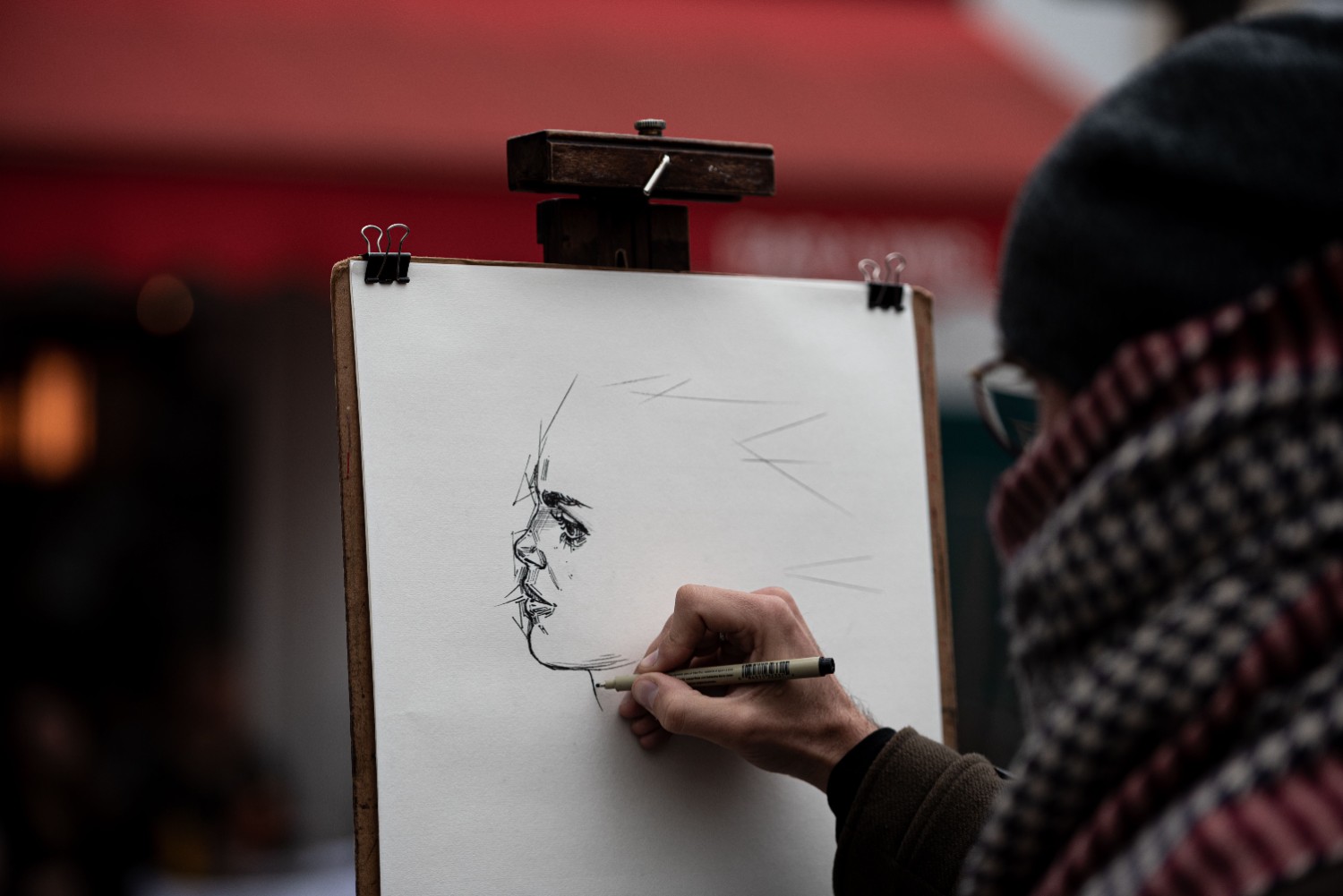
At Little Creative Painting, Portrait Art sessions encourage students to observe people carefully and translate distinctive facial characteristics into expressive artwork. Learners gradually develop their ability to interpret references, refine facial details, and give each portrait a convincing sense of identity.

Proportion & Facial Balance
Learn to compare the size and position of facial features so that eyes, nose, lips, forehead, and jaw work together to create a naturally balanced portrait structure.

Facial Planes & Shading
Study the changing planes of the face and use controlled shading to describe cheekbones, eyelids, the nose, lips, and jaw with greater dimensional clarity.

Personal Features & Portrait Character
Work beyond basic facial outlines by observing hairstyles, distinctive features, expressions, and other personal details that make each portrait visually individual.
Portrait Art Class Plans
Choose Your Portrait Art Course
For Your Artistic Development
Portrait Starter
₹1,899
/ Course
A simple starting course for learners who want to explore portrait drawing, work from references, and gain confidence creating their first completed faces.
- Mode: Online / Offline
- Class: 1 Class Per Week
- Hours: 1 Hour Per Class
- Duration: 4 Weeks
- Projects: 2 Portrait Sketches
- Certificate: Included
- Basic Head Drawing Practice
- Reference Photo Understanding
- Simple Measuring Techniques
- Line Control Exercises
- Basic Portrait Framing
- 2 Guided Portrait Sketches
Portrait Studio
₹2,499
/ Course
A practical portrait course for learners who want to work with varied viewpoints, develop richer drawings, and complete more detailed portrait studies.
- Mode: Online / Offline
- Class: 2 Classes Per Week
- Hours: 1.5 Hours Per Class
- Duration: 6 Weeks
- Projects: 3 Portrait Studies
- Certificate: Included
- Profile & Three-Quarter Portraits
- Hair Mass & Direction Studies
- Neck & Shoulder Placement
- Portrait Cropping Practice
- Reference-To-Drawing Exercises
- 3 Guided Portrait Studies
Portrait Masterclass
₹4,299
/ Course
An intensive course for dedicated artists who want to create refined portrait pieces, handle complex references, and develop a stronger collection of finished artwork.
- Mode: Online / Offline
- Class: 3 Classes Per Week
- Hours: 2 Hours Per Class
- Duration: 8 Weeks
- Projects: 5 Finished Portraits
- Certificate: Included
- Portrait Composition & Cropping
- Hair Texture & Fine Detailing
- Skin Surface Detail Practice
- Background Design For Portraits
- Timed Reference Studies
- 5 Finished Portrait Projects
Portrait Art FAQs
Common Questions About
Portrait Art Classes
Do I Need Previous Drawing Experience To Learn Portrait Art?
No. Portrait Art Classes at Little Creative Painting can be started by beginners. Lessons are introduced progressively, allowing students to become familiar with portrait sketching, reference-based drawing, and controlled mark making before moving into more detailed work.
Can I Learn To Draw Portraits From Photographs?
Yes. Working from photographs is an important part of portrait practice. Students learn how to study a reference, identify useful visual information, simplify complex areas, and gradually translate the photograph into a finished drawing.
Will I Practise Different Portrait Views?
Yes. Depending on the course level, students can practise portraits from front-facing, side-facing, and angled references. Working with different viewpoints helps learners become more comfortable adapting their drawings to changing reference positions.
Can I Include Hair And Shoulders In My Portrait Drawings?
Yes. Portrait exercises can extend beyond the face to include hairstyles, neck placement, shoulders, clothing, and surrounding space. These elements help students create more complete portrait compositions rather than isolated facial studies.
Are Portrait Art Classes Available Online And Offline?
Yes. Little Creative Painting offers Portrait Art Classes in both online and offline formats. Students can select their preferred learning mode and follow guided portrait exercises, reference studies, and artwork development according to their selected course.